Cordless systems mature
Battery planning becomes a purchase decision for the whole truck, not a spare part conversation at the end of the order.
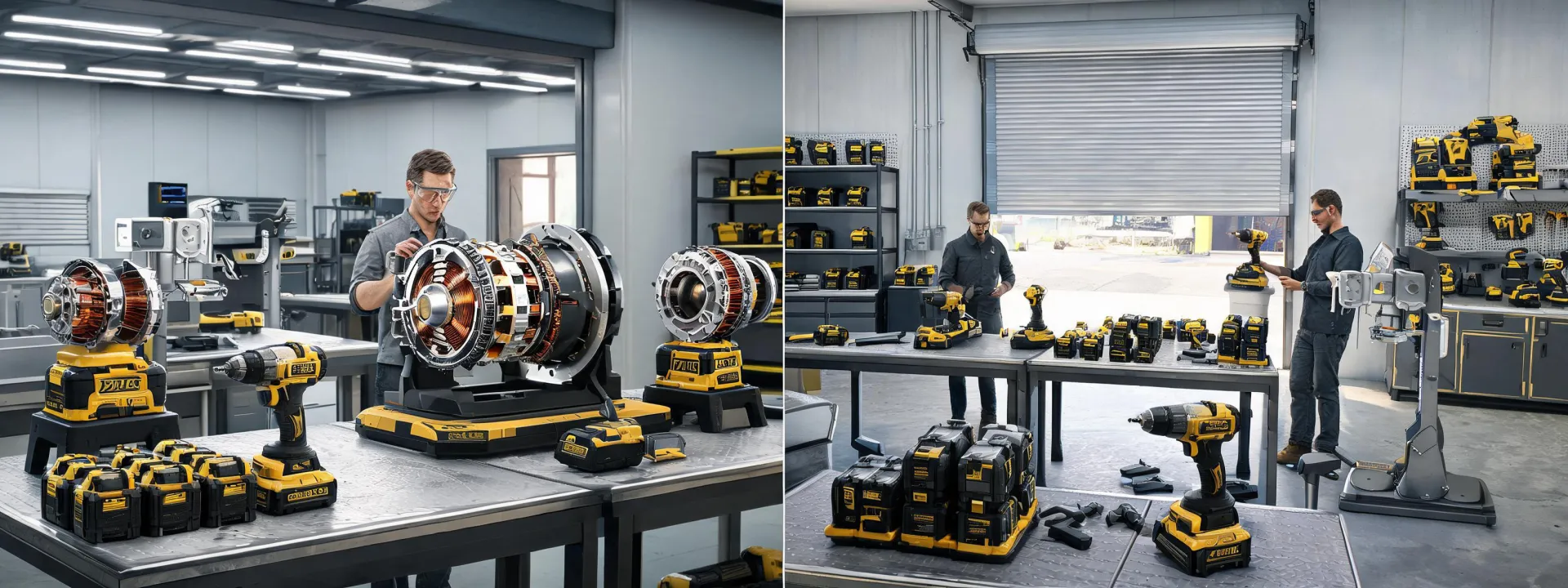
Dewalt is presented here as a professional tool systems brand focused on the hard middle of the workday: repeated fastening, dusty cutting, heavy drilling, battery rotation, hand tool reach and service recovery.
The Dewalt story is not only about a tool surviving impact. It is about how a product line becomes familiar enough that electricians, carpenters, facilities teams, grounds crews and service technicians can move through the day without rethinking every hand motion. A compact driver has to fit overhead work. A circular saw needs enough runtime for framing cuts. A hammer, tape, wrench or socket set must still be easy to find when the cordless kit is packed away. That is why this site describes Dewalt as a system: power tools, hand tools, outdoor tools and pneumatic tools working together around a jobsite rhythm.
For buyers, the meaningful question is not whether a single tool looks tough in a brochure. The question is whether the whole mix fits the crew: what gets used every hour, what needs a spare, what requires dust extraction, what must be registered, and what can be serviced without derailing the schedule. Dewalt engineering language on this site stays close to those practical decisions.
Battery planning becomes a purchase decision for the whole truck, not a spare part conversation at the end of the order.
Brushless motors, thermal protection and smarter triggers help crews manage power delivery under repeated load.
Power tools, pneumatic tools, hand tools and outdoor tools are selected by task sequence, storage plan and service path.
A Dewalt tool site needs to speak to buyers who manage real constraints: safety meetings, inventory cabinets, vehicle space, replacement tools, seasonal outdoor work and service documentation. The people behind the program include product engineers who validate heat and torque, field specialists who understand how crews share kits, category managers who map accessories to tool families, and support teams who translate a problem into a clear next step. That mix is why the website avoids vague claims and focuses on tasks, categories and decisions.

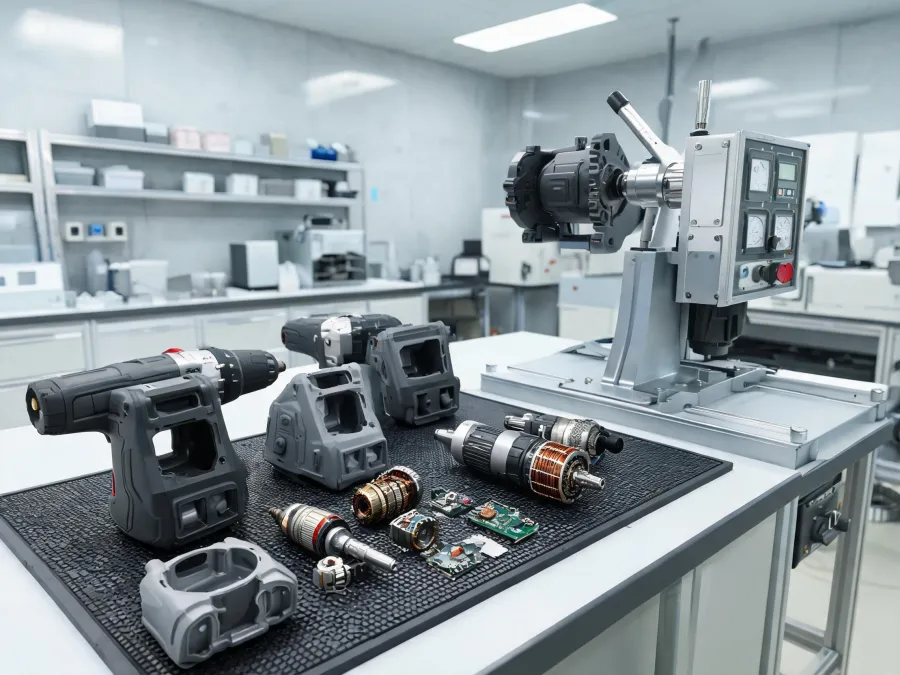
Validate motors, electronics, housings and battery load behavior before platform recommendations are made.

Translate trade routines into product mixes that can be stocked, shared, charged and serviced consistently.
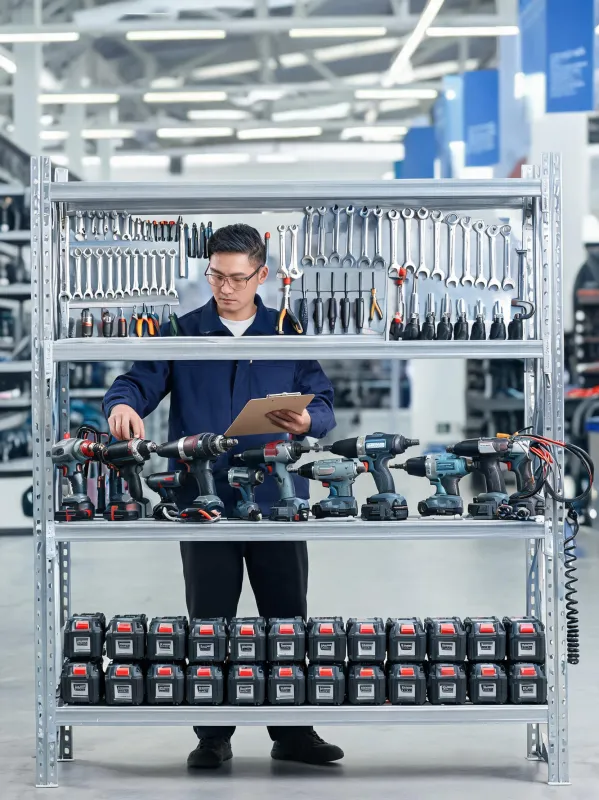
Connect product families so buyers can build kits around repeated work rather than scattered one-off purchases.
Share your trade mix, fleet size and tool categories. We will help turn the product range into a practical plan for daily work.